Because just because you can post it, doesn’t mean you should.
Social media has created a world where almost anyone with a smartphone can become a content creator, marketer or news source. In Jamaica, businesses are using Instagram, TikTok and Facebook to sell products, build relationships and reach audiences without necessarily having the resources of a large marketing agency.
I think this is an incredible opportunity. However, it also raises questions about how responsibly we use these platforms. Are we protecting people’s privacy? Are we being truthful about what we’re selling? And when does taking inspiration from another creator become stealing?
For me, four issues stand out in 2026: the ethical concerns of deceptive advertising and privacy and confidentiality, alongside the legal issues of copyright infringement and privacy and data protection.
Deceptive Advertising: Don’t Sell Me a Lie
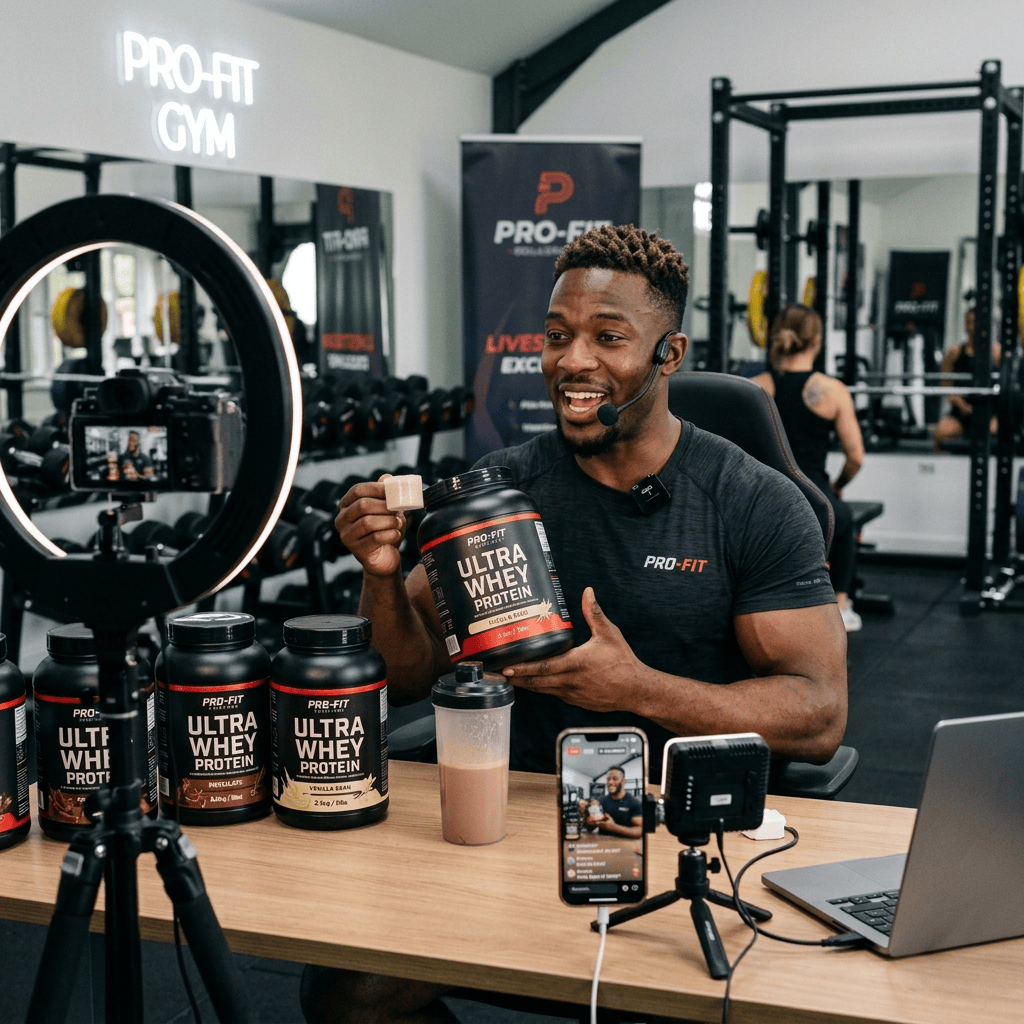
Influencer marketing has become an important part of how businesses connect with consumers. There is nothing wrong with content creators earning money from partnerships. In fact, I would rather support someone who is upfront about selling me something than someone pretending their recommendation is completely spontaneous.
My issue is with the lack of transparency.
When an influencer recommends a product, their audience may trust that recommendation because of the relationship they have developed with that creator. That influence comes with responsibility. Don’t lead me to believe you genuinely love a product without disclosing that you’re being paid to promote it. More importantly, don’t recommend something you haven’t tried or cannot reasonably stand behind.
People are spending their hard-earned money based on these recommendations.
The consequences of deceptive online promotions are not always limited to disappointment. In May 2026, the Jamaica Observer reported on a St James court matter involving two women who allegedly paid for mobile phones advertised through Instagram but never received the devices (Jamaica Observer, 2026a). The accused faced conspiracy-to-defraud charges.
Although this was an alleged online sales scam rather than a case of undisclosed influencer sponsorship, it demonstrates how misleading digital advertising can cause financial harm.
For brands and influencers, I believe transparency must become a priority. Disclosing paid partnerships, verifying product claims and being honest about personal experience should be basic expectations.
A sponsored post isn’t necessarily dishonest. A deliberately misleading recommendation is.
Privacy and Confidentiality: Being Visible Isn’t Consent
We live in an age where almost anything can become content. A disagreement in a restaurant, an embarrassing moment in public or an unsuspecting customer can become the subject of a viral video.
But does being in a public place mean someone automatically gives up their right to privacy?
I certainly don’t think so.
In a May 2026 article published by the Jamaica Observer, Jamaican attorney Kimberley Brown discussed the legal considerations surrounding photographing people without permission. Brown (2026) explained that being in public does not automatically eliminate a person’s privacy rights. Whether publication is legally permissible depends on several circumstances, including consent, the purpose of the recording and public interest.
I believe content creators and businesses should make a genuine effort to obtain consent when individuals are deliberately featured in their content.
For example, if a Jamaican restaurant wants to record a customer testimonial or use someone’s image in a promotional campaign, a simple media consent form can establish what the person has agreed to and where the material will appear.
This doesn’t mean every person who happens to walk through the background of a video needs to sign a form. The distinction, for me, is whether someone is intentionally being made the focus of the content.
I also believe that if someone withdraws their consent and requests that a business remove their video, that request should be respected wherever reasonably possible. If consent cannot be obtained, removing names, blurring faces and excluding other identifying information are sensible alternatives.
Of course, consent and removal requests can involve competing considerations, particularly in journalism where publishing information may serve the public interest. My recommendation is an ethical starting point, not an absolute legal rule.
Just because someone can be recorded doesn’t mean their image should become content for public consumption.
Copyright Infringement: Inspiration or Stealing?
Here’s a question: when does inspiration stop being inspiration and start becoming imitation?
Social media thrives on trends. We recreate video formats, borrow design ideas and participate in challenges. With artificial intelligence becoming increasingly accessible, producing content that resembles someone else’s work has become even easier.
For me, stealing is taking another person’s original work, reproducing it substantially and passing it off as your own. I also believe creators deserve recognition and, where appropriate, compensation for the use of their work.
Jamaica already has legislation addressing copyright. The Jamaica Intellectual Property Office (JIPO, n.d.) explains that the Copyright Act protects original works such as photographs, films, music, writing and artistic creations. Importantly, copyright does not generally protect ideas or concepts themselves.
That distinction matters. Two designers can have similar ideas without either necessarily infringing copyright. The legal question involves whether protected creative expression has been used without authorisation, subject to the law’s exceptions.
A September 2026 Jamaica Observer report provides a Jamaican example. Educational author Everett Fraser said he was considering legal action against more than 80 schools over alleged unauthorised copying and distribution of his textbooks and workbooks (Ashman, 2026).
While this example concerns educational materials rather than influencer content, the principle is relevant to digital creators. Someone else’s work does not become free to reproduce simply because it is easy to photograph, scan, download or share.
I am especially concerned about artificial intelligence. AI systems can produce content influenced by enormous collections of existing material, raising difficult questions about originality, permission and compensation.
I believe stronger clarity is needed around how copyrighted work is used in AI development and how businesses disclose AI-generated creative content. This does not mean Jamaica has no existing copyright regulation. Rather, emerging technology presents questions that existing protections may not fully resolve.
And one thing should be clear: giving credit is important, but credit alone does not automatically give someone permission to reproduce copyrighted work.
Data Protection: Did You Actually Read the Terms?
Let’s be honest. There are so many times when we click Accept without reading what we’re accepting…
I think many of us have become so accustomed to sharing information online that we barely consider what happens to it afterwards.
Whether we’re entering a giveaway, subscribing to a newsletter or purchasing something through a website, we’re constantly providing businesses with personal information.
Jamaica’s Data Protection Act, 2020, establishes a legal framework for how personal information should be collected, processed and protected.
The Office of the Information Commissioner (n.d.) explains that organisations must comply with data protection standards, including fairness, purpose limitation, data minimisation and security safeguards.
In January 2026, the Jamaica Information Service reported that the Office of the Information Commissioner was reminding Jamaicans of their right to find out what personal information organisations hold about them, why it is being processed and whether it is shared with third parties (Bartley, 2026).
This is particularly relevant to social media marketing.
Imagine entering a business’s Instagram giveaway and providing your name, email address and phone number. You later begin receiving promotional messages you never knowingly agreed to receive.
For me, that is both a trust issue and a potential legal concern, depending on the consent obtained and how the information is used.
Consumers should make an effort to understand what they’re agreeing to, but businesses also have a responsibility to explain their data practices in language people can actually understand.
Privacy policies shouldn’t feel like documents designed to discourage people from reading them.
As Jamaica strengthens the implementation of its data protection framework, businesses will need to consider privacy as part of their marketing strategy rather than something to address only when a complaint arises.
Where Do We Go From Here?
I believe the future of social media marketing in Jamaica will depend on how seriously we take transparency, consent, creative ownership and accountability.
Consumers should be able to distinguish a genuine recommendation from a paid advertisement. People should have a say in how their images and personal information are used. And creators should be able to benefit from their original work without constantly worrying about unauthorised reproduction.
Technology will continue to change how we create and distribute content. Our ethical responsibilities shouldn’t disappear simply because those technologies make certain actions easier.
For me, the question isn’t only whether something is legal or whether a platform allows it.
It’s whether we are treating the people behind the content, the data and the purchases with the respect they deserve.
Because just because you can post it, doesn’t mean you should.
References
Ashman, T. (2026, September 21). ‘I have to sue schools’. Jamaica Observer. https://www.jamaicaobserver.com/2026/09/21/i-have-to-sue-schools/
Bartley, R. (2026, January 30). Jamaicans urged to know their data rights. Jamaica Information Service. https://jis.gov.jm/jamaicans-urged-to-know-their-data-rights/
Brown, K. (2026, May 20). ‘You do not have my permission to take a picture of me!’ Jamaica Observer. https://www.jamaicaobserver.com/2026/05/20/not-permission-take-picture/
Jamaica Intellectual Property Office. (n.d.). About copyright and related rights. https://www.jipo.gov.jm/node/47
Jamaica Observer. (2026a, May 4). Bad ring to phone deal. https://www.jamaicaobserver.com/2026/05/04/bad-ring-phone-deal/
Office of the Information Commissioner. (n.d.). Data protection standards. https://www.oic.gov.jm/page/data-protection-standards
The Data Protection Act, 2020 (Jamaica). https://laws.moj.gov.jm/legislation/aop/2/7_2020-The%20Data%20Protection%20Act.pdf


Leave a Reply